
Artificial Intelligence
What Does AI Mean for OSHA Compliance?

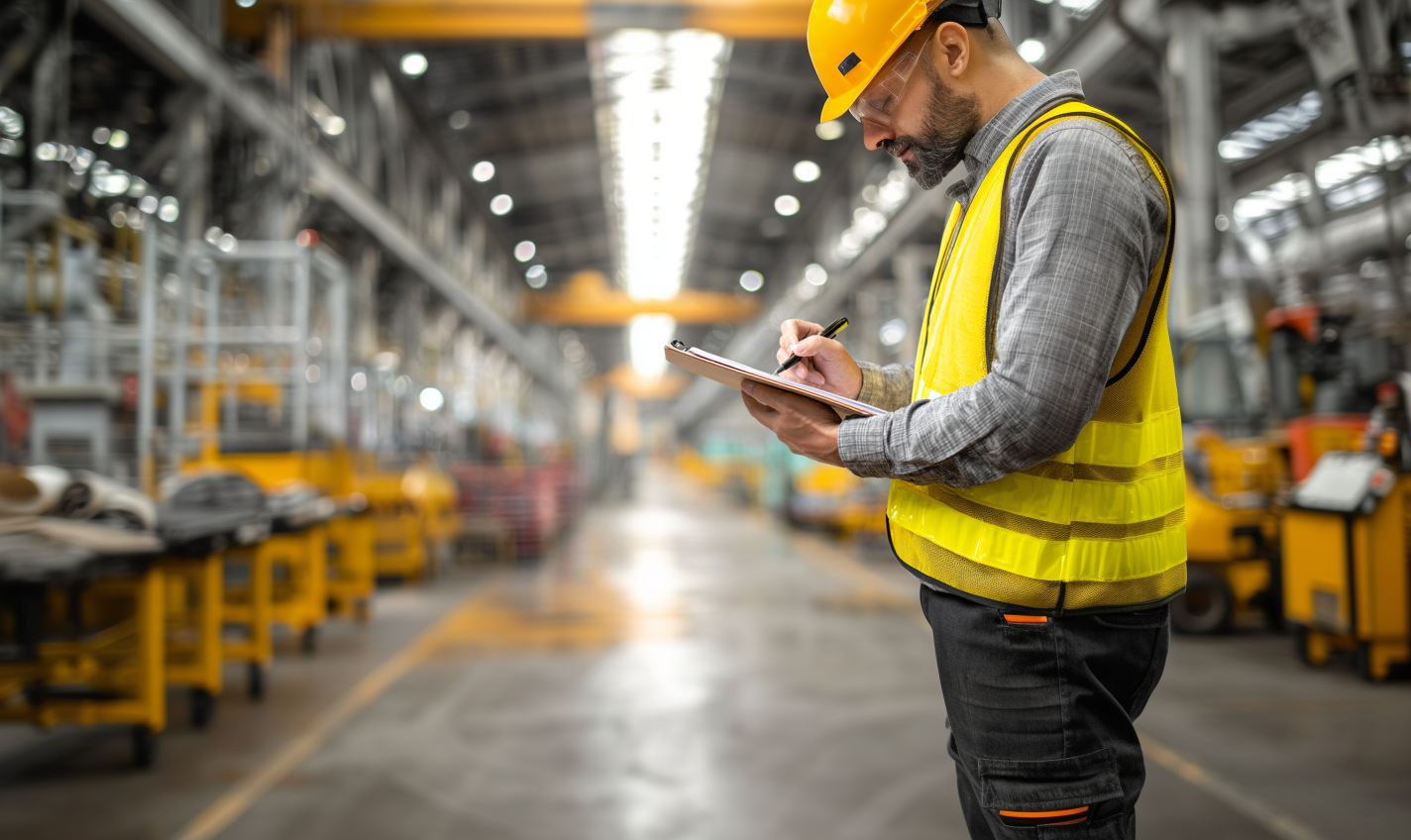
The Occupational Safety and Health Administration (OSHA) is the cornerstone of workplace safety in the U.S., creating and enforcing regulations that protect employees from hazards across industries. Its standards cover machine safety, hazard communication, training and recordkeeping to keep workers safe and businesses accountable.
As artificial intelligence (AI) expands in the workplace, these compliance efforts are beginning to overlap. The agency’s regulatory framework and AI’s growing capabilities shape a new era of proactive workplace safety.
OSHA Compliance in the Age of AI
OSHA was created to ensure that every worker in the U.S. has a safe and healthy environment. The agency has broad authority to establish and enforce workplace standards. Its compliance framework focuses on critical areas such as identifying and mitigating hazards, maintaining accurate reporting and providing proper training. For example, most employers with over 10 employees must record serious work-related injuries and illnesses, which ensures accountability and transparency.
Today, the challenge evolves as companies introduce AI-powered machines, robotics and advanced analytics into everyday operations. These tools promise greater efficiency and safety but raise important questions. How do the agency’s long-standing guidelines apply in AI-driven workplaces, and how should businesses adapt compliance strategies for this new technology?
OSHA Guidelines and Regulations Relevant to AI
OSHA’s General Duty Clause requires employers to maintain a workplace free from recognized hazards. This broad obligation extends naturally to emerging technologies like robotics and AI.
Industrial robots — defined by OSHA as programmable devices that move materials through programmed motions — are increasingly common in warehouses, factories and logistics centers. While these machines improve efficiency, accidents often occur during nonroutine tasks such as programming, maintenance and testing. Compliance has become more complex because OSHA has not yet issued standards explicitly written for robotics, which leaves businesses to rely on existing regulations.
Meanwhile, rules around hazard communication cover environments where AI monitors chemical exposure and recordkeeping standards shape how organizations report incidents, often with the help of automated systems. None of these regulations explicitly mentions AI, but they remain relevant to the conditions AI helps manage, which means companies must align AI-driven processes with the agency’s existing compliance framework.
Is OSHA Using AI?
OSHA has begun exploring AI to strengthen its enforcement and inspection capabilities. It experiments with new technologies that enhance how inspectors gather and analyze data. One example is the agency’s acquisition of smart glasses, which allow inspectors to optimize communication and documentation processes during site visits.
The potential benefits of these experiments are significant. AI could support predictive enforcement by identifying high-risk industries before incidents occur and help OSHA allocate its limited resources more strategically. While the adoption of these initiatives remains limited, the growing interest signals that the agency is moving forward in integrating AI into its future compliance and enforcement strategies.
How Businesses Can Use AI for OSHA Compliance
Businesses are quickly discovering that AI is more than just a productivity tool. It is also vital to meet OSHA compliance requirements. From predicting risks to automating reporting, AI offers practical solutions that make workplaces safer and more efficient.
1. AI-Powered Robotics and Automation
AI-powered robotics and warehouse automation transform how companies approach efficiency and safety. They help streamline operations while reducing risks tied to heavy lifting, repetitive tasks and busy warehouse environments. By shifting physically demanding or monotonous work to automated systems, businesses can protect employees from common injuries while unlocking major cost and productivity gains.
Research shows warehouse automation technology can cut labor costs by 60% and boost productivity by 30%, proving its impact goes beyond convenience. For organizations focused on compliance, this technology offers fewer workplace hazards to manage and a stronger, more consistent framework for meeting safety standards.
2. Computer Vision
Computer vision allows businesses to monitor workplace safety in real time, adding precision and consistency that manual oversight often can’t match. These systems can detect whether workers wear the proper personal protective equipment, confirm that machine guarding is in place and immediately identify hazards.
This approach lets employers act quickly by instantly flagging unsafe conditions, reducing the chance of accidents and keeping workers safer on the job. Beyond prevention, this technology also supports compliance by helping organizations maintain continuous visibility into safety practices. It ensures that standards are met and actively upheld throughout daily operations.
3. Predictive Analytics
Predictive analytics is emerging as one of the most powerful ways AI can help organizations identify risks before accidents occur, giving safety teams a valuable head start. By analyzing historical data and real-time workplace conditions, predictive models can spot patterns that indicate potential hazards, from equipment failures to environmental risks.
This foresight empowers organizations to engage in longer-term planning and prioritize proactive maintenance, which addresses issues before they escalate into costly accidents or OSHA violations. With predictive analytics, businesses can move beyond reactive responses and adopt a forward-looking approach to safety.
4. AI-Powered Wearables
Wearables give businesses a smarter way to protect workers in physically demanding environments by monitoring health and safety conditions in real time. These devices track vital signs and environmental factors to detect early signs of heat stress or overexertion, common causes of workplace injuries.
When risks are identified, wearables can instantly alert employees and supervisors, allowing immediate action to prevent accidents or health emergencies. This proactive approach safeguards individual well-being and strengthens compliance. It demonstrates that employers are actively addressing hazards linked to fatigue and environmental stress, which creates safer and more sustainable work conditions.
5. Smart Training Systems
Adaptive e-learning transforms workplace safety training by moving beyond generic courses and creating personalized learning experiences for every employee. These platforms analyze how individuals absorb information and adjust lessons’ pace, format and difficulty in real time. They also ensure workers fully understand critical safety protocols.
Tailoring training to each person’s needs allows businesses to close knowledge gaps, improve retention and strengthen compliance with OSHA standards. This approach keeps employees more engaged and makes training more effective. It helps organizations foster a safer, more informed workforce that is better prepared to prevent accidents and uphold regulatory requirements.
Challenges and Ethical Considerations
AI opens new doors for workplace safety but also brings challenges that businesses cannot overlook. Data privacy is a major concern, especially with surveillance technologies like facial recognition, which 15 states already restrict through specific laws. Employees must balance using AI to monitor safety and respecting employee privacy to avoid legal and ethical pitfalls.
Predictive safety models also carry the risk of algorithmic bias, which can lead to inaccurate assessments and inconsistent protection across different groups of workers. Adding to this complexity is the financial hurdle, since AI systems often require a high upfront investment before long-term benefits are realized.
Building a Safer Future With OSHA and AI
OSHA provides the foundation for workplace safety. Meanwhile, AI enhances that framework by offering smarter tools for monitoring, prevention and compliance. When applied responsibly, AI supports rather than replaces regulatory standards, which creates safer and more efficient work environments. The real value comes from a partnership where technology and regulation work together to protect employees and strengthen compliance efforts.



