
Cybersecurity
Sysdig Unveils “Headless” Cloud Security Built for AI Agents

 Add Unite.AI to your preferred sources on Google
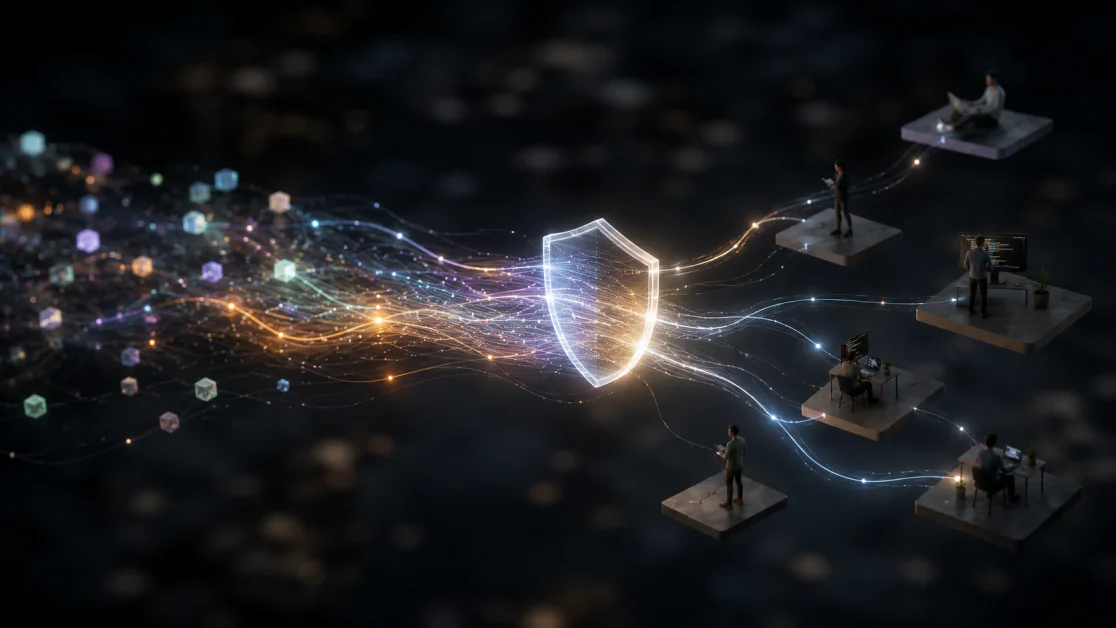
Cloud security is being reshaped by the same force transforming software development: AI agents. In that context, Sysdig has introduced what it calls the industry’s first headless cloud security platform, designed to run directly inside AI coding environments rather than through traditional dashboards.
The launch reflects a broader shift already underway across cybersecurity—away from human-driven workflows and toward automation that can operate at machine speed.
Why Cloud Security Is Hitting Its Limits
For years, security teams have relied on dashboards, alerts, and manual triage. But those models are increasingly struggling to keep pace with modern threats.
Attack timelines have collapsed dramatically. What once took days or weeks now unfolds in minutes, leaving little room for manual intervention. At the same time, AI-driven development has accelerated the pace of change inside cloud environments, creating more complexity and more potential attack surfaces.
The result is a growing mismatch between how fast threats evolve and how quickly organizations can respond.
What “Headless” Actually Means
The term “headless” can sound abstract, but the concept is straightforward.
In software, a headless system separates the backend intelligence from the user interface. Instead of forcing users into a predefined dashboard, capabilities are exposed through APIs, services, and integrations so they can be used wherever work is already happening.
Applied to cloud security, this means eliminating the traditional interface entirely. Security no longer lives in a standalone console. Instead, it becomes embedded directly into tools, workflows, and AI agents that teams already rely on.
Security Moves Inside AI Agents
Sysdig’s platform is built around a simple but consequential idea: AI agents should not just write code, they should also secure it.
Rather than switching between tools, AI coding agents can now investigate threats, prioritize vulnerabilities, generate fixes, and initiate responses on their own. Security becomes part of the development workflow itself, not a separate step that happens afterward.
This approach reflects how teams are increasingly working today, with coding assistants and automated pipelines taking on more responsibility across the software lifecycle.
A Shift Toward Hyper-Personalized Security
Traditional security platforms tend to impose a fixed way of working. Every organization gets the same dashboards, alerts, and workflows, regardless of how their environment is structured.
Headless security changes that dynamic. Organizations can define how security operates based on their own infrastructure, priorities, and risk tolerance. AI agents continuously learn from interactions and adapt over time, building a deeper understanding of what matters most in each environment.
Instead of static rules and generic alerts, security becomes dynamic and tailored, evolving alongside the organization it protects.
From Alerts to Action
Another major shift is how incidents are handled.
In conventional setups, alerts trigger investigations that require human analysis before any action is taken. This introduces delays that attackers can exploit.
With a headless model, detection flows directly into automated analysis and response. AI agents can interpret high-signal events, understand context, and act immediately—whether that means isolating a workload, fixing a misconfiguration, or escalating an issue.
This reduces the gap between identifying a threat and mitigating it, which is critical when attacks unfold in minutes rather than days.
The Bigger Picture: Security Without Interfaces
Sysdig’s launch points to a broader transformation in enterprise software. Interfaces are becoming less central as AI agents take on the role of interacting with systems.
Instead of logging into dashboards, teams increasingly rely on automation, APIs, and intelligent agents to manage operations. Security is now following that same trajectory.
In this model, protection becomes an always-on layer embedded within workflows, rather than a separate destination teams have to monitor.



