
Interviews
Mike Prytkov, CEO and Founder of Simple Life – Interview Series

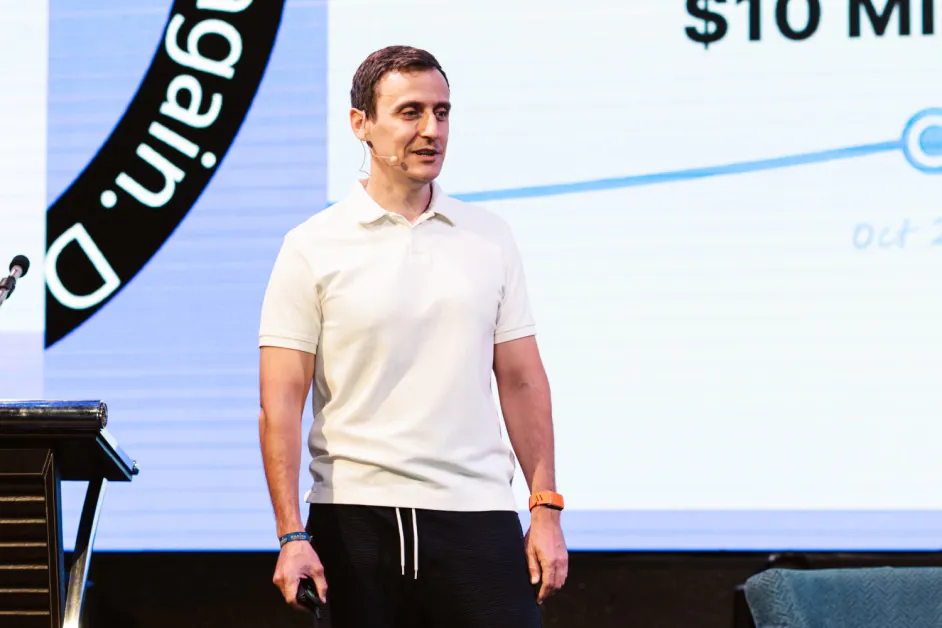
Mike Prytkov, CEO and founder of Simple Life, is a seasoned tech executive and growth-focused entrepreneur with a track record of scaling mobile-first health and wellness platforms. With a background in Applied IT in Economics, he has held senior roles including COO and CMO at Appness and CMO at Fotostrana.ru, and advised leading consumer apps such as Flo, Lensa, and Loona. As CEO of SIMPLE, Prytkov has led the company’s evolution from an intermittent fasting app into a broader digital health platform, while also supporting emerging startups as Growth Advisor and Entrepreneur in Residence at Palta.
Simple Life is an AI-powered weight loss and health coaching app that helps users build sustainable habits and improve overall well-being without strict diets or calorie counting. It offers personalized, daily guidance from an in-app AI coach called Avo™, real-time feedback on nutrition, hydration, physical activity and fasting, and beginner-friendly workout plans, all framed around behavior change and long-term health goals rather than restrictive rules. The platform blends evidence-based nutritional science with intuitive tracking tools and motivational features to make healthy choices easier and more engaging for millions of users worldwide.
You’ve spoken openly about the moment when exhaustion and weight gain began affecting your time with your son. How did that experience lead you to co-found Simple App, and what core belief did you want the company to be built around from day one?
There was a period when I was trying to do two hard things at the same time: build a business and be fully present as a father. I remember realizing that my energy, my mood, and even the way I showed up at home were being shaped by my health more than I wanted to admit. That was the moment it stopped being about “a few extra kilos” and became about the life I was actually living.
What that led to was a very simple belief: people don’t fail diets – diets fail people when they ignore real life. A mom with two kids, someone working night shifts, or a 60-year-old who wants energy to play with grandkids all need different approaches, not generic advice. From day one, we wanted Simple to be built around personalization and compassion: building habits that fit your reality and making progress sustainable.
That’s why at Simple we focus on daily habit loops and long-term consistency, not short-term restriction. Our mission is to help millions enhance longevity and wellbeing by building lasting daily habits.
Before Simple, you tried nearly every popular diet approach, including keto, fasting, and juice cleanses, all with short-term results. How did those experiences influence your decision to design a product centered on balance rather than restriction?
I tried almost everything – keto, fasting, cleanses – and what I learned firsthand is that extreme restriction can produce fast results, but it often damages the system you actually need for long-term health.
The deeper truth is that most people already know the “obvious” rules. The hard part is integrating them into a real schedule, real stress, and real family life. That’s why we designed Simple around balance and sustainability: guiding people toward healthier defaults, building repeatable routines, and helping them learn what works for their body and lifestyle – not prescribing a rigid, one-size-fits-all plan.
Even our product evolution reflects this. We entered the market as a fasting tracker and then expanded into nutrition, hydration, and activity tracking to support a more holistic approach.
We also stay outcome-driven. For example, our internal data shows that a meaningful share of engaged users achieve clinically significant progress over time (e.g., ≥5% weight loss), which matters far more than short-term “quick wins.”
Simple positions itself as a category-defining AI coach for metabolic health. What does that mean in practice, and how does your AI differ from more rigid, rules-based health apps?
Most health apps behave like spreadsheets with notifications: they track inputs and then enforce rules. A coach is different. A coach adapts to context, asks questions, and helps you make better decisions when life is imperfect.
In practice, Simple’s AI coach, Avo, turns daily signals – food, hydration, activity, routines – into personalized guidance and next-best actions. It’s not just content; it’s an interactive layer that helps users convert intention into behavior. We’ve built a holistic framework that includes personal coaching, individualized meal and workout plans, and progress systems like live activities and a success score.
The second difference is scale and learning. We operate with a very large volume of real-world behavior data – tens of millions of Avo dialogs and hundreds of millions of tracked events – which allows us to improve personalization continuously.
And third, we’re building toward proactive health, not just reactive tracking. That means connecting behavior – and, in the future, symptom signals – to surface risk patterns earlier and guide people toward appropriate next steps.
Many health platforms rely heavily on calorie counting and discipline. Why did you deliberately move away from guilt-driven models, and how does AI help reinforce healthier long-term behaviors instead?
Because guilt is not a success strategy.
Calorie counting works for a small minority of highly disciplined users, but for most people, it’s high-friction, mentally exhausting, and fragile. Miss a day, forget a meal, or get busy — and the whole system collapses. On top of that, guilt-driven design creates a vicious loop: “I failed → I feel ashamed → I stop engaging.”
We deliberately moved toward habit-based behavior change because it’s more durable. AI helps in three key ways:
Lower friction, higher consistency: “Good-enough logging” and lightweight daily actions instead of obsessive tracking.
Personalized coaching in the moment: Avo responds to real-life constraints – like travel, stress, or limited time – instead of repeating generic rules.
Positive reinforcement loops: Our gamified habit engine (streaks, quests, progression) turns aspiration into daily accountability without shame, while outcomes remain the benchmark.
We’ve seen gamification materially lift retention over time, and increased consistency strongly correlates with better goal achievement.
Scaling to hundreds of thousands of active subscribers while becoming EBITDA positive is rare in consumer health tech. Which early product or operating decisions proved most critical to making that growth sustainable?
Two things were critical: discipline in unit economics and a compounding product engine.
On the business side, we made early decisions to optimize for payback, renewals, and margins – not just top-line growth. We’ve been profitable at scale, with 750K+ subscribers and a $160M+ gross bookings run rate, supported by strong gross margins and a focus on cohort quality. Renewals make up a significant share of bookings over time.
On the product side, we invested early in retention foundations – personalization through Avo and later gamification with Blinky, streaks, and quests. The result is a sustainable flywheel: better engagement leads to better outcomes, which drives stronger retention and healthier economics.
Gamification plays a central role in Simple’s engagement strategy. How did you balance playful interaction with the seriousness of weight and metabolic health?
We treat gamification as a behavior-change tool, not entertainment.
Weight and metabolic health are serious topics, but behavior change requires repetition, motivation, and emotional safety. Blinky and our game mechanics exist to reduce friction and help users show up consistently, especially on hard days.
That balance comes from three design rules:
- Never shame the user. The system should feel like encouragement and accountability, not judgment.
- Measure success by health outcomes, not screen time. We look at whether engagement improves consistency and results, not just clicks. After rolling out these mechanics, we saw longer and more consistent streaks alongside improved retention and outcomes in core cohorts.
- Keep the tone human. Blinky is playful, but the guidance stays respectful – users are trusting us with something deeply personal.
Simple is medication-agnostic and now functions as a companion for users on GLP-1 medications, which regulate appetite and blood sugar for weight loss and metabolic health. How do you see AI supporting users alongside these treatments rather than replacing medical care?
GLP-1s are a major shift, but they don’t replace the need for behavior change. Even market data shows challenges around persistence and what happens after treatment ends – long-term outcomes still depend on habits, nutrition, and lifestyle.
We’ve seen many users combine GLP-1s with Simple, or come to Simple after stopping medication, because they recognize that behavioral change is essential for maintaining results and overall balance. That’s why we’re actively developing a GLP-1 companion experience. Our technology and methodology are well-positioned to support users alongside medication, and we hope to share more on this soon.
Drawing from your background across growth, operations, and product leadership, which lessons became most valuable once Simple began scaling globally?
Retention is the strategy. Acquisition can buy attention, but retention earns trust. Gamification and personalization became core levers for making growth sustainable.
Localize the experience, not just the language. Food norms, daily schedules, and motivational triggers vary widely – personalization matters even more as you scale.
Build an experimentation culture across product, growth, and pricing. At scale, small improvements compound, so we treat pricing and funnels as continuous learning systems.
Invest in data infrastructure early. When you’re handling millions of daily actions and large volumes of dialogs, data quality becomes product quality.
Organizational clarity beats heroics. Scaling requires strong leaders and clear ownership across product, marketing, finance, and science.
As AI becomes more embedded in daily health decisions, where do you believe founders carry the greatest responsibility when building consumer-facing wellness tools?
First, safety boundaries and truthfulness. AI should never sound more certain than it is. In health, overconfidence is dangerous. Products must clearly distinguish coaching from medical advice and route users to clinicians when needed.
Second, privacy and consent. Health data is deeply sensitive. Users should understand what’s collected, how it’s used, and retain control – especially when clinical partners are involved.
Third, behavioral ethics. It’s easy to accidentally introduce shame or dark patterns into wellness products. Motivation should come from support, clarity, and progress – not guilt. Gamification should reinforce healthy behavior, not manipulate users.
From a modern AI perspective, this also means continuous evaluation, careful tone tuning, robust refusal behavior, and ongoing monitoring – not a “ship it and forget it” mindset. We actively think about memory, multimodality, and strong evaluation frameworks as we expand the AI layer.
For founders building AI products rooted in personal experience, what advice would you give on translating an individual journey into a scalable and trusted platform?
Start personal, but don’t stay personal.
Your story gives you conviction, but scale comes from turning that story into a system that works for people unlike you. Our user base, for example, skews heavily female and mid-age, with a wide range of comorbidities – so the product has to adapt far beyond a founder’s initial experience.
My advice would be:
- Define the universal problem behind your personal story (for example, “habit consistency beats perfect plans”).
- Start with a narrow wedge and earn trust, then expand. We began with fasting and grew into holistic metabolic health.
- Build evidence, not just narrative. Measure real outcomes and cohort behavior – don’t hide behind engagement metrics.
- Design for dignity. Remove shame, reduce friction, and create a product people can live with for years.
- Invest in the data flywheel early. At scale, your learning loops and datasets become true defensibility.
Thank you for the great interview, readers who wish to learn more should visit Simple Life.



