
Artificial Intelligence
The AI Data Center Controversy Raging Across the U.S.

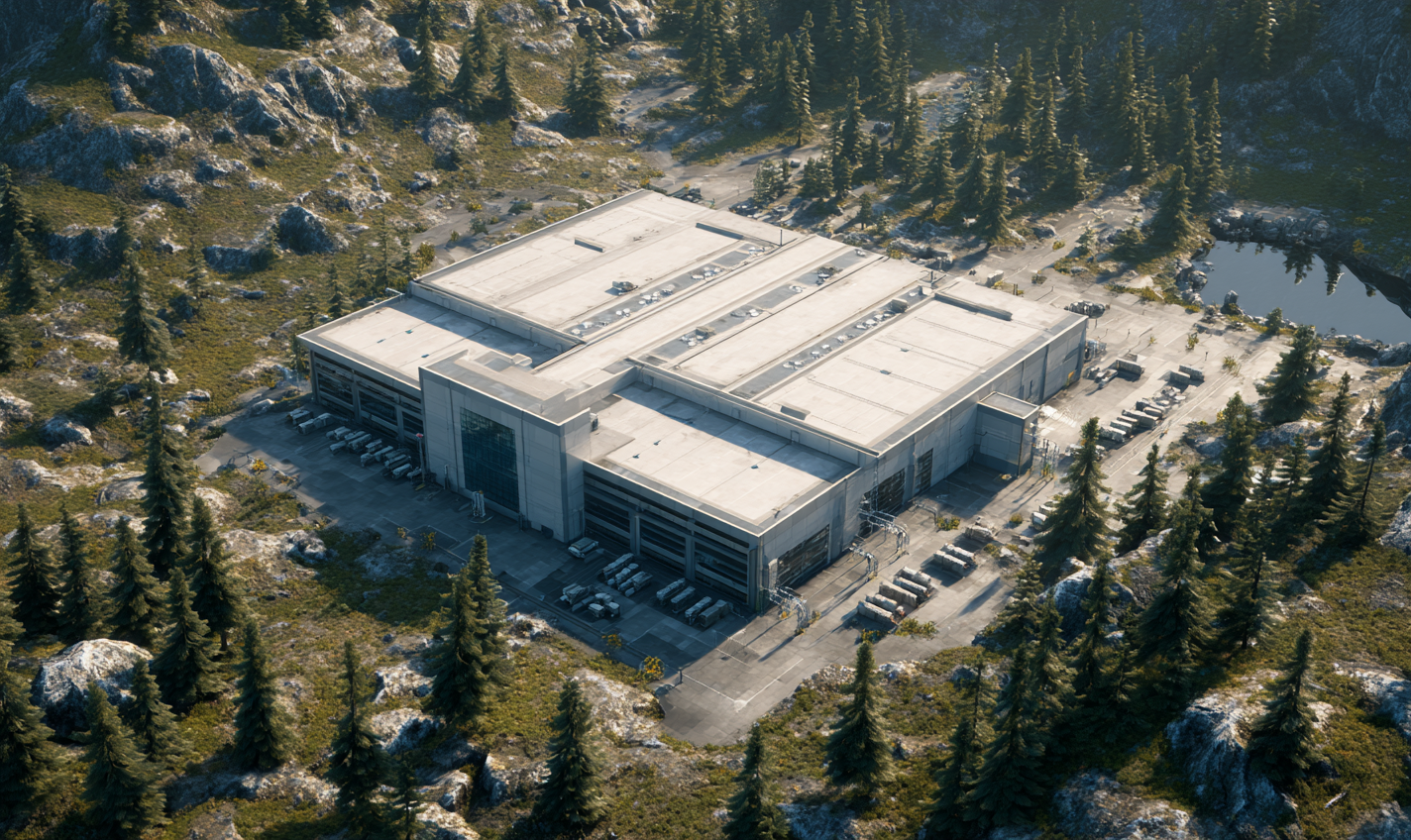
The conflict over AI data centers in the United States has moved from zoning boards to a national conversation. What began as scattered local objections now shows a clear pattern — communities are pushing back against infrastructure built at AI scale and secrecy. It’s a crucial moment for predicting whether technical ambition can overcome public distrust.
At the center of the controversy is a mismatch of resources and usage. Hyperscale server campuses designed for large-model training demand power, water, land and grid priority at levels most towns never planned for. Some of these are intended to be erected around residential areas and compete with already strained reserves. Similar dynamics appear in Arizona, Florida, Indiana and beyond.
What’s Happening on the Ground
Big Tech is in a race to outbuild one another’s data centers as demand for AI continues to expand. Companies are targeting locations that offer available land and generous tax incentives, but these plans are increasingly being met with strong community opposition.
In many cases, residents first learn about a hyperscale facility proposal after permits have quietly moved forward. Developers often operate under code names like Project Nova, which was later revealed to be Microsoft’s planned campus in Caledonia, Wisconsin. The tech giants behind these expansions frequently use subsidiaries and nondisclosure agreements that limit public scrutiny until late-stage hearings. By then, zoning changes, tax breaks and utility commitments may already be queued for approval.
The physical footprint is what shocks people most. A single AI facility can span several million square feet, supported by diesel generators, substation upgrades and cooling systems that draw millions of gallons of water each day. In parts of Virginia, electricity demand tied to data centers has increased by approximately 30% year-over-year. Locals fear this surge in load translates directly into higher household power bills.
Meanwhile, in Michigan, residents of Saline Township have organized a David-versus-Goliath fight against backers who include representatives from OpenAI, Oracle and the state’s governor, as well as those reaching as high as President Trump. Their concerns center on the widening gap between tech billionaires and ordinary people and the environmental impacts borne by local communities. Some also warned that subsidies directed toward the project could divert funding away from roads, schools and other public needs.
Why People Are Angry
Public outrage centers around three main concerns — unfair cost allocations, unequal environmental burdens and a lack of transparency. By 2030, energy consumption in data centers is projected to increase by 160%, leading to a doubling of global electricity demand. People are frustrated that they may be footing the bill for essential infrastructure upgrades to support computing facilities.
At the same time, large tech companies benefit from discounted rates alongside substantial tax incentives. This financial burden falls disproportionately on local families where these hubs are constructed, while the enterprises reap booming revenue.
Next, environmental health concerns quickly come into play. These colossal facilities can consume up to 5 million gallons of water daily to cool their running computers. This figure is equivalent to the needs of a town with up to 50,000 residents.
Additionally, data centers rely heavily on diesel generators for critical backup power, which may necessitate the construction of new gas plants, potentially undermining efforts to promote green energy. Since these campuses are often located in rural or low-income communities that are already burdened by pollution and possess limited political influence, the issue of environmental justice persists.
A lack of transparency further erodes trust. In Caledonia, Microsoft took back its rezoning request after people voiced significant opposition. The secrecy around which company was behind the project frustrated locals, who felt excluded from the decision-making process. The tech giant cited community feedback as the reason for scrapping the plan, but remains committed to investing in the region through alternative sites.
From Local to National to Global
Wisconsin offers a clear window into this trend. Microsoft’s withdrawal followed similar resistance facing Meta and Blackstone-backed proposals, among others. In Arizona, the Tucson City Council unanimously rejected the controversial Project Blue data center proposal, which is linked to Amazon Web Services. In Indianapolis, a large Google hyperscale facility plan was withdrawn just before a city council vote in September 2025 due to strong opposition from residents. Many other jurisdictions have followed suit.
Cities and counties nationwide are now hitting the brakes on data center construction. Senator Bernie Sanders has formally urged a nationwide halt on new AI hubs, though Democrats have rejected calls for a pause.
However, these concerns are not merely theoretical — they are lived realities for affected towns in Querétaro, Mexico. Local governments have granted multiple tech giants exemptions from environmental reporting and taxes. Unfortunately, residents were not warned about the resource-draining effects of such facilities in the already water-stressed semi-desert state. Reports describe taps running dry and frequent power outages affecting schools and hospitals, not just households.
As the EU plans to triple data center capacity under its AI Continent Action Plan, the strain already impacting Ireland’s power grid signals what the rest of the continent may soon face. These international cases reinforce what American communities already suspect — infrastructure built at scale without local alignment invites backlash.
All this friction arrives just as AI demand accelerates. Generative AI attracted $33.9 billion in private capital worldwide amid rapid momentum. Training frontier models requires dense clusters of GPUs, stable power supplies and predictable cooling systems to meet this market effectively.
What AI Companies Can Do Differently
If current methods begin to hit walls, AI businesses must adjust their strategies. First, early disclosure and transparency help establish trust from the outset. Communities respond more positively when projects appear at the concept stage, rather than only after incentives are finalized. Naming the developer, divulging energy sources and outlining expansion phases all build credibility.
Second, because data centers utilize vast amounts of resources, infrastructure accountability requires clearly defining responsibility for the environmental, social, financial and security impacts of resource-intensive AI systems. Funding dedicated substations and grid upgrades helps shift the economic burden rather than allowing residents to shoulder expansion costs. Investing in on-site water recycling systems can also help offset the significant consumption these facilities require amid growing water scarcity, while reducing competition with households for water use.
Third, concerns over worsening pollution and strained grids can be addressed by pairing data centers with on-site renewable energy rather than relying primarily on diesel or other fossil fuels. Long-term power purchase agreements can lock in fixed electricity prices from cleaner sources over extended periods, helping nearby homeowners experience a more stable supply while maintaining affordability across the grid.
Finally, the surrounding neighborhood must see tangible benefits. Since construction jobs fade quickly, permanent roles and workforce training partnerships can help reinforce the promise of long-term employment. Tax transparency also benefits the local area. Disclosure allows the locale to assess whether taxes paid are proportionate to the energy and water resources consumed and the incentives received. Co-investment in infrastructure often matters more to residents than simply having land-use decisions made around them.
The AI Boom Meets Its Real World Limits
Most communities push for balance rather than outright rejection of AI, though debates about the latter persist. People want clarity on who pays, who benefits and how impacts are distributed across society. The next phase of artificial intelligence growth depends less on model architecture and more on civic engineering. Only an AI infrastructure that respects local context will scale more smoothly over time.



