
Synthetic Divide
‘Housefishing’: Controversies of AI in Real Estate

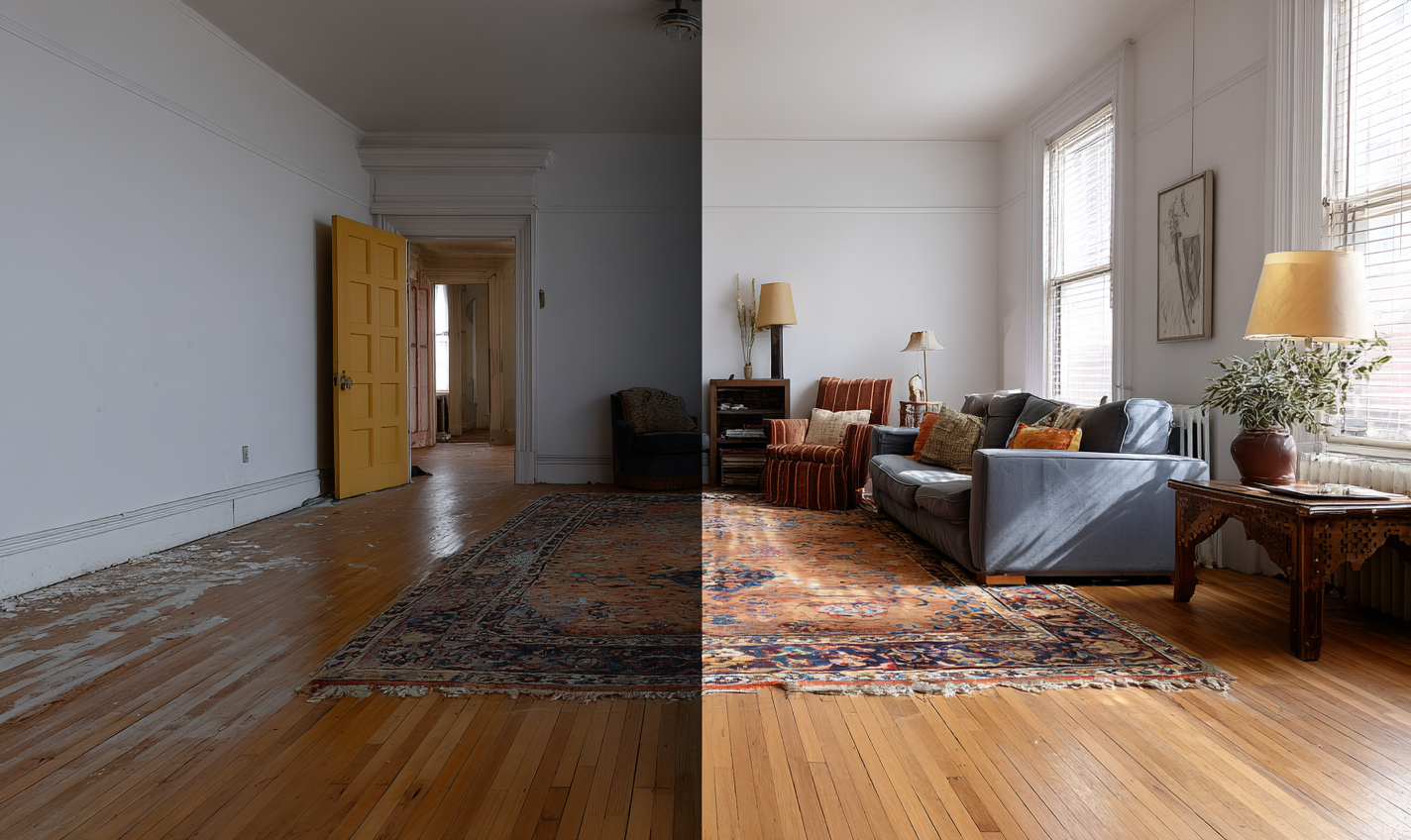
Real estate images have joined the ever-growing list of things that people can no longer trust, regardless of how real they may look. Housefishing, the real estate industry’s version of catfishing, is affecting buyers and sellers alike. It’s vital to know how to spot it so people can be confident that what they see is what they’ll get.
What Is Housefishing?
An increasing number of people are finding a home online that instantly grabs their attention. The exterior looks perfectly maintained, the lighting accentuates its features, the interior is immaculately laid out and the garden is trimmed to perfection. However, when a prospective buyer visits the house, perhaps after raving to their partner about it, they find that the house is nothing like it appeared in the pictures.
This is known as housefishing, a real estate equivalent of catfishing. In catfishing, people talk to someone whose online profile features attractive pictures, only to find out the images are altered, fake or of a different person.
Some real estate agents have been altering and fine-tuning images for years with tools like Photoshop, as some people do with their selfies online. The issue in both cases is where to draw the line between fixing a small blemish and completely changing an appearance.
Real estate agents can now use AI to make sweeping changes to a house, such as hiding cracks in walls, removing cars from a busy street, making a room appear larger and even changing the structural appearance of the exterior if they want to.
Virtual Staging
Virtual staging is one of the most common forms of housefishing. It is a modern version of home staging, in which an agent makes a property more appealing by cleaning, decluttering or rearranging a house they’re trying to sell. A 2025 report found that 83% of agents said staging made it easier for a buyer to imagine a house as their future home, and this process is made simple by AI.
AI lets agents add furniture to a room with excess space, change decor to something more stylish, declutter a room, enhance outdoor spaces with a fire pit or plants, and so much more.
How Housefishing Is Affecting Buyers
Buying a house should be an exciting time in someone’s life, but it is often made stressful by several factors that existed long before AI. Financing, arranging viewings around work and personal appointments, logistical planning and selling a house simultaneously all create a headache-inducing experience.
Buyers already have enough to worry about without finally finding a house they like the look of, only to find it doesn’t have as many windows or cupboards as the images suggested. There might also be visible signs of damp that did not appear in the pictures that would cost a hefty sum to fix.
Housefishing is eroding the trust people have in real estate agencies and their online images. This could encourage people to avoid them altogether in favor of the old-fashioned method of driving around to find “for sale” signs.
How Housefishing Is Affecting Agents
Buyers are not the only people feeling the effects of housefishing. Real estate agents are also starting to feel the detrimental effects of AI tools, as their competitors may be using them to get an edge. This can see an agent or even their entire agency lag behind the competition if they do not start altering their clients’ houses.
Agents often have strict sales targets to meet, and they may feel pressured to use AI to increase the number of viewings for each house. This can result in them producing the sort of AI-generated content that people feel is killing the internet. For example, in 2023, 39% of all published articles were produced by AI tools, and many of them included misquotes or came from fake sources. The agent may be uncomfortable engaging in these deceptive tactics.
Emotion is a huge factor in housebuying, and virtual staging can manipulate people’s feelings. It’s a slippery slope, though, as it can result in significant reputational damage for an agency if an employee alters an image in a way deemed manipulative. There are also anti-AI influencers who are quick to name and shame if they find cases of housefishing, and a few cases have gone viral in the U.S. and beyond.
How to Spot an AI-Edited House
The biggest issue with AI-altered images and deep fakes today is that they’re incredibly difficult to spot. Housefishing wouldn’t be a thing if that weren’t the case, after all. However, there are some questions people can ask themselves each time they scroll through pictures online.
Is It Too Good to Be True?
If something looks too good to be true, it probably is. This rule has applied to products for generations when it comes to spotting scams, and buying a house is now in the same boat.
Does the Furniture Match the Age of the House?
Furniture will generally match the age and wear of a house. This isn’t always the case, of course, but if a home has decades-old or damaged kitchen appliances but brand-new, immaculate furniture, it may be a red flag.
Do the Images Match the Description?
People have been adjusting their wording to exaggerate houses and other products for centuries. Being a salesperson who can make a product sound better than it really is can be viewed as a positive trait by some, and this persuasive language can be found in many home descriptions beneath the images. Prospective buyers should keep a keen eye on overly flattering text, though, as it may give away inconsistencies with the images.
Is a Video Tour Available?
Video calls have long been the recommended method for people to check if they’re being catfished, and housefishing is similar.
Deepfakes mean that even video calls can’t prevent people from catfishing now. However, it’s highly unlikely that an agent would go to the trouble of putting together a deceptive video for a house they’re selling. A walk-through where the agent shows a buyer around while answering questions is the best way to ensure the home is as it appears in the images. This is helpful for people to do before an in-person viewing.
Actions Being Taken Against Housefishing
A bill in California went into effect at the start of 2026, requiring that a property listing featuring altered or AI-generated images include a disclosure and the original photographs.
The 2026 Code of Ethics & Standards of Practice from the National Association of Realtors that prohibits members from manipulating listings to produce misleading or deceptive results.
Rules and regulations against AI manipulations are likely to increase, and the wording could have significant effects on the future of real estate agencies.
Other Uses of AI in Real Estate
Housefishing is not the only controversial use of artificial intelligence currently affecting real estate. The industry is similar to countless others in that AI has become an important part of how it operates today. Employees and business leaders at every level are finding that AI is being introduced to streamline their workflows, optimize their performance or even replace them. AI is also being used to:
- Value properties.
- Answer questions via chatbots.
- Write descriptions.
- Produce legal documents.
- Analyze market trends and other data.
An Uncertain Future for the Real Estate Industry
The real estate industry is not alone in being rocked by powerful and easy-to-use AI tools. Rules and regulations are being introduced to prevent people from misleading prospective buyers, but AI will likely continue to play a large role in the sector moving forward.



