
AI Models & Platforms
How to Detect Audio Deepfakes

 Add Unite.AI to your preferred sources on Google
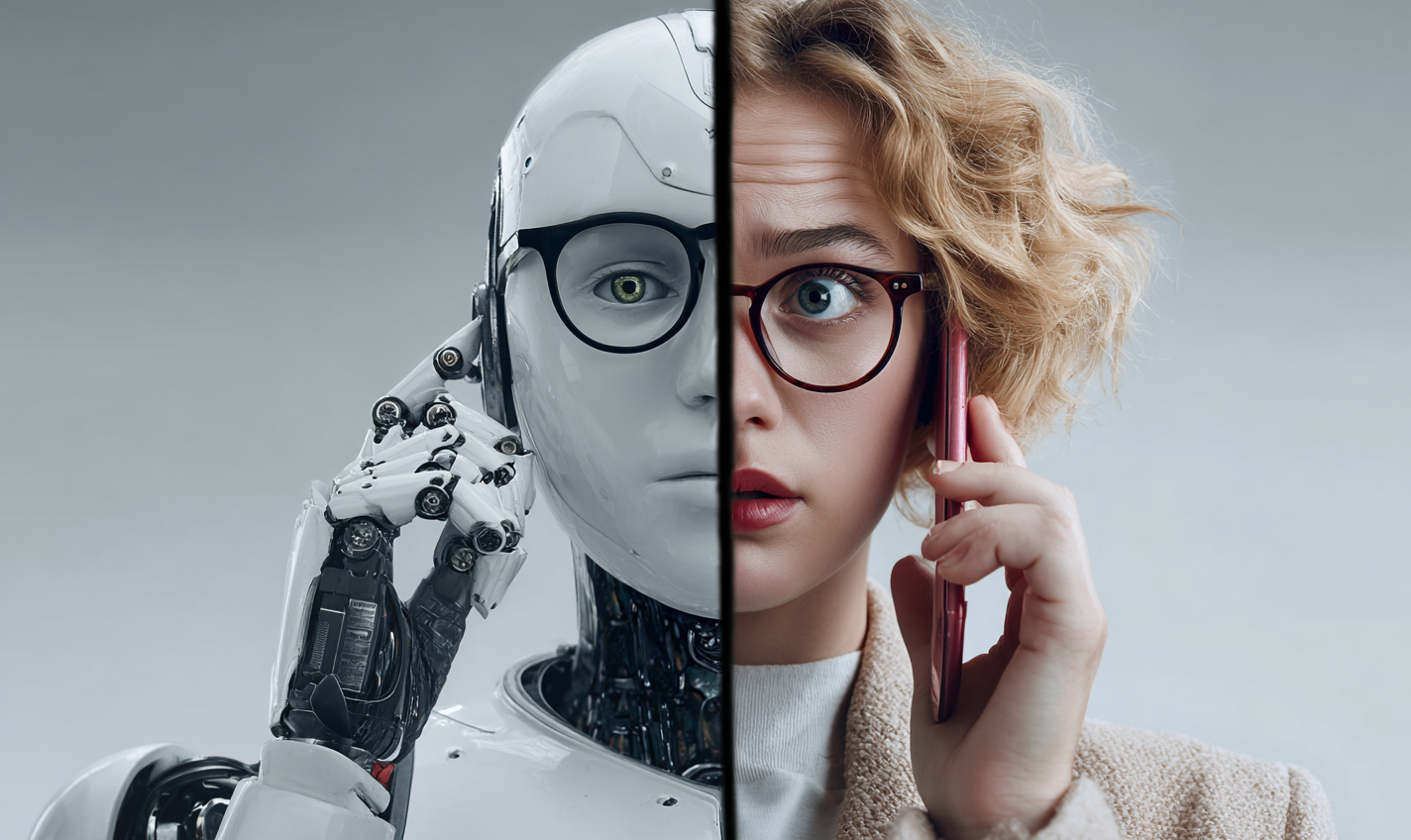
Audio deepfakes sound almost exactly like real people, sometimes even people you know. It only takes a few seconds of recorded speech to accurately recreate someone’s tone and rhythm with modern voice cloning tools powered by machine learning models. What used to sound robotic or flat now comes across as emotional and natural, complete with breathing patterns and accents.
While that progress fuels creative uses like virtual assistants and accessible storytelling, it also opens the door to serious risks. Detecting audio deepfakes matters because your voice is part of your identity. Once it can be cloned, trust in digital communication diminishes. Learning to recognize fake audio goes beyond protecting yourself from scams and misinformation. It involves safeguarding the authenticity of every conversation you have online.
The Impact of Audio Deepfakes on Society and Security
Audio deepfakes have made it harder to trust what you hear online or over the phone. When someone’s voice can be cloned with just a few seconds of audio, even familiar voices can be used to deceive. Scammers increasingly use synthetic speech to impersonate CEOs, co-workers and family members — convincing victims to transfer money or share confidential data.
These scams cause financial damage and erode confidence in digital conversations. For businesses, the risks extend beyond money to reputation and customer trust. Law enforcement and cybersecurity teams combine forensic tools, voice authentication systems and artificial intelligence (AI) detection models to combat these threats. Still, as deepfake technology evolves, staying alert and informed is your best defense against deception in a world where voices can lie.
7 Tips to Identify Audio Deepfakes
Even the best audio deepfakes leave subtle clues. You can spot manipulation before it harms you by paying attention to details in sound quality, speech rhythm and contextual behavior. Below are 10 practical tips to help detect synthetic or tampered audio.
1. Listen for Unnatural Pauses or Transitions
AI-generated speech might sound real, but you’ll often catch tiny clues if you listen closely. These include a pause that feels unnatural, a slightly off rhythm or a tone that shifts mid-sentence. These small timing inconsistencies are the giveaways that something isn’t quite human. Still, even with those hints, spotting an audio deepfake isn’t easy.
Research shows you can only detect them with about 62% accuracy, which means nearly half the time, a convincing fake can slip right past you. As deepfakes become more polished, it’s smart to double-check suspicious messages, especially when they involve sensitive information or urgent requests. A quick verification could save you from falling for a voice that sounds real but isn’t.
2. Notice Emotion Flatness or Exaggeration
When you listen to an audio deepfake, you might notice something slightly off about the speaker’s tone. Deepfakes often sound either too monotone — missing human emotion’s natural ups and downs — or overly expressive, with exaggerated emphasis that doesn’t fit the context.
AI models can mimic pitch and rhythm but struggle to capture the subtle emotional balance in real conversations. If a voice sounds unusually flat or dramatic, especially in moments that should feel normal, take it as a red flag. Paying attention to these tonal inconsistencies can help you spot fake audio before it convinces you to act on something that isn’t real.
3. Watch for Audio Artifacts
Subtle clues — faint static, strange distortions or sudden pitch changes that just don’t sound right — can give away an audio deepfake. These tiny glitches happen because AI systems stitch together bits of sound to mimic natural speech. What’s more surprising is how little audio these tools need to create a convincing clone of your voice.
In some cases, just three seconds of recorded speech is enough to produce an 85% voice match between you and the fake. That means a short clip from a voicemail, social media post or quick video could be all it takes for someone to copy your tone and rhythm. Whenever something sounds slightly off, trust your instincts. Those minor imperfections might be the only signs that the voice you’re hearing isn’t real.
4. Compare With Known Recordings
Real voices have a natural flow that AI still struggles to fully capture. When someone speaks, their tone, rhythm and breathing consistently reflect their personality and emotion. You can usually hear subtle cues — a quick inhale before a thought, a steady pace when they’re calm or a slight change in rhythm — when they emphasize a point.
Audio deepfakes, on the other hand, often miss these organic details. The breathing might sound mechanical, the pacing uneven, or the tone oddly flat or exaggerated. If a voice feels too smooth or lacks those small, human imperfections, that’s a sign it could be synthetic. Paying attention to how someone naturally speaks helps you spot when a voice doesn’t sound like them.
5. Use Multichannel Verification
When a voice message or call feels suspicious, always take a moment to verify it before responding. The easiest way to stay safe is to confirm the message through another channel — send a quick text, jump on a video call or reply using an official email address you trust. This extra step can protect you from scams that use cloned voices and fake urgency to trick you into acting fast.
Today’s cybercriminals are getting smarter, combining audio deepfakes with voice phishing to steal data. It’s a growing threat, with 71% of organizations reporting they’ve faced these attempts. That’s why double-checking communication is a smart habit. When something feels off, trust validation over urgency and give yourself time to confirm the truth before taking action.
6. Check Speech Context
When you get an unexpected call or voice message, pay as much attention to what’s being said as how it sounds. Deepfake scams often rely on unusual phrasing, sudden urgency or requests for sensitive data to pressure you into acting fast. You might hear a voice claiming to be your boss asking for an immediate money transfer, or a loved one sounding distressed and asking for help — both common tactics scammers use.
These emotional triggers make you panic before thinking things through. If a message feels rushed, suspicious or slightly out of character, take a step back and verify it through another channel. A quick pause to confirm can stop a fake voice from leading to a real problem.
7. Rely on Trusted Verification Tools
AI-powered audio detectors and forensic software are becoming essential tools for spotting deepfakes. These technologies analyze sound waves, background noise and speech patterns to identify subtle signs of manipulation that the human ear can easily miss. While you might trust your instincts, studies show that human judgment isn’t always reliable — even trained listeners can be fooled by highly realistic voice clones.
Relying on intuition alone is no longer enough. Robust detection systems are urgently needed to help individuals, businesses and security teams verify what’s real and what’s fake. As deepfake technology evolves, combining automated detection with critical thinking can protect communication, reputation and trust in the digital world.
Stay Alert, Stay Informed
Even as deepfake technology improves, your ability to listen critically and question what you hear remains a powerful defense. Paying attention to subtle cues and verifying information through trusted channels can stop manipulation before it spreads. Staying alert and skeptical helps you protect your data and the trust that keeps digital communication authentic.



