
AI Models & Platforms
Apple Brings First Apple Intelligence Features to China in iOS 27.3

 Add Unite.AI to your preferred sources on Google
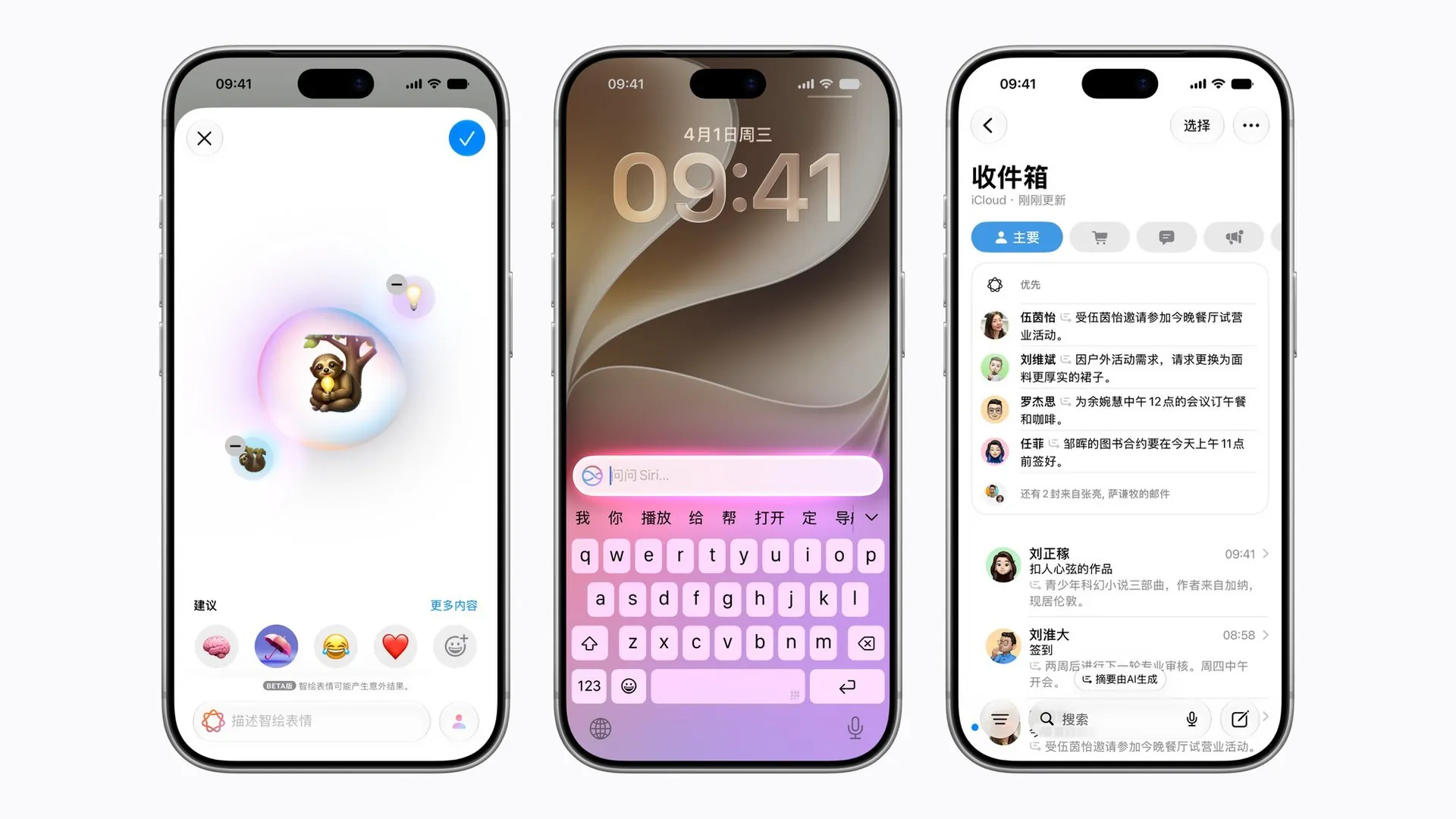
In a press release dated October 31, 2026 on its China newsroom, Apple announced that the first wave of Apple Intelligence features is coming to users in China. The features open for testing with the latest iOS developer beta on November 4, 2026, and will launch publicly with the official release of iOS 27.3 in December 2026. Apple said support for other platforms will follow after the necessary approvals are obtained.
Datelined Cupertino, California, the release describes Apple Intelligence as driven by Apple’s self-built generative models and deeply integrated into the apps and experiences people use every day for writing, self-expression, and getting things done. The update does not include Siri AI or the other next-generation Apple Intelligence features Apple announced at WWDC 2026.
Alibaba Qwen Integration
Apple said it has reached a partnership with Alibaba to add support for Alibaba’s Qwen in certain Apple Intelligence experiences, so users in China can use Qwen directly within Siri, Writing Tools, and Visual Intelligence, covering text and image understanding functions. When handling certain requests, Siri can tap into Qwen and draw on its knowledge to assist users, and users can ask questions about photos as well as documents including PDFs and presentations. By signing into a Qwen account, or using Sign in with Apple, users can access Qwen inside Apple Intelligence. A compose feature lets users have Qwen create original content from scratch directly within the system-wide Writing Tools.
First-Wave Feature Set
The release lists the first features Apple is bringing to supported iPhones in China. Apple said Live Translation helps users communicate across certain languages when sending messages or talking, integrated into the Messages, FaceTime, and Phone apps, and users can translate face-to-face conversations in real time through AirPods 4 with Active Noise Cancellation and AirPods Pro 2 and later models.
According to the release, Writing Tools can rewrite, proofread, and summarize text users enter, and Visual Intelligence helps users quickly learn more about objects and places around them through the iPhone camera. In the Photos app, the Clean Up tool removes distracting objects while preserving the moment as it was captured, and Genmoji generates a custom emoji from a typed description. Natural language search in Photos lets users find a specific photo or video by typing a description, and users can create a Memory movie from a description alone.
Apple said Mail gains a Priority Messages section at the top of the inbox showing the most urgent emails, such as a same-day lunch invitation or a boarding pass. Mail summaries let users tap to view key points from a single email or a long email conversation, and Smart Reply generates quick reply text suggestions in Mail and Messages. Notification summaries present key information directly on the Lock Screen for longer or stacked notifications, Priority Notifications place the most urgent items at the top, and the Reduce Interruptions Focus mode pushes only notifications that need immediate attention.
The Notes app automatically generates audio transcription summaries, and users can generate summaries of call transcripts highlighting important details. Apple said Siri becomes more natural and useful: with the Type to Siri function, users can type requests to Siri, and even when a user’s phrasing is halting, Siri can accurately understand the intent and maintain context across consecutive exchanges.
Device and Language Requirements
The first core Apple Intelligence features with iOS 27.3 support iPhone 16 and later models, iPhone Duo, iPhone 15 Pro, iPhone 15 Pro Max, and iPhone Air, with both Siri and the device language set to English and Chinese (Simplified). Live Translation through AirPods works with AirPods 5, AirPods 4 with Active Noise Cancellation, AirPods Pro 2 and later, or AirPods Max 2 running the latest firmware, paired with an Apple Intelligence-enabled iPhone and with Siri and the device language set to English and Chinese (Simplified). Visual Intelligence works on all Apple Intelligence-enabled iPhone models, and Apple notes that some features may be available only in certain languages or regions.


