
Interviews
Emmy Linder, CEO at Stairwell – Interview Series

 Add Unite.AI to your preferred sources on Google
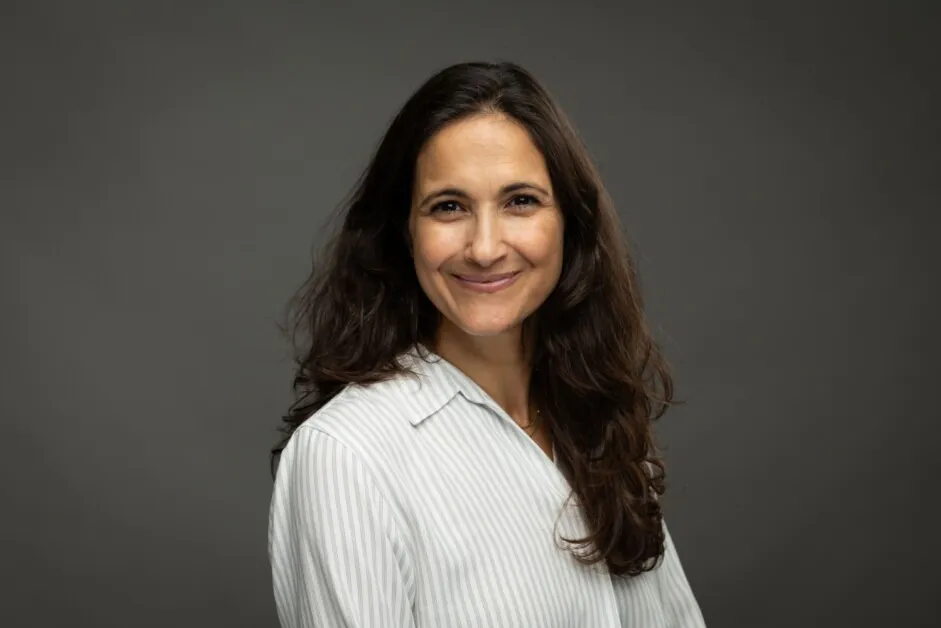
Emmy Linder, CEO at Stairwell, is a seasoned cybersecurity and technology executive with over 15 years of experience leading growth and innovation. She previously served as Chief Operating Officer at Cybereason, where she helped scale the company into a global cybersecurity leader by uniting product, engineering, and go-to-market teams. Earlier in her career at Boston Consulting Group, she advised Fortune 500 companies on strategy and transformation. At Stairwell, she brings a results-driven, future-focused approach that blends technical insight with strategic execution to strengthen the company’s mission and impact.
Stairwell is a cybersecurity company redefining digital defense through AI-driven signal intelligence. Its platform takes a data search approach to security—collecting, storing, and continuously reassessing every executable file and indicator of compromise to detect and investigate threats in seconds. By enabling organizations to outmaneuver known and unknown malware, Stairwell delivers the speed, scale, and intelligence needed for proactive threat response. Founded by Mike Wiacek, creator of Google’s (GOOGL ) Threat Analysis Group and Alphabet’s (GOOG ) Chronicle, the company is backed by Sequoia, Accel, and s32, and serves leading enterprises across finance, healthcare, AI, media, and gaming.
You’ve had a unique career path, from serving in the Israeli 8200 intelligence unit to consulting at BCG and then scaling Cybereason. How have these experiences shaped your approach to leadership and decision-making as CEO of Stairwell?
Each part of my career built a different muscle. The military taught me the magic of tackling hard technical problems and being accountable for the outcome. Consulting added business strategy and fundamentals. Scaling Cybereason taught me how much culture and ownership matter and that people do their best work when they feel trusted and part of something meaningful. I’m bringing all of those together and with what we’re trying to build at Stairwell.
Stepping into the CEO role after Mike Wiacek, what were your first priorities during the transition, and what surprised you most in your first 30 days?
I wanted to get to know the company and understand the people, how we work, what drives decisions. I’d done plenty of external diligence, but you only see the real picture from the inside. The surprise was how hard it is to onboard remotely. It takes real effort to build trust and context when you’re not in the same room.
The cybersecurity market is crowded with tools claiming AI-driven capabilities. How do you see Stairwell standing out in this landscape, and what role do you think AI should realistically play in defending against modern threats?
We’re not chasing hype. Our strength is data from all the threat intelligence and six years of files that we have gathered. That data shows how threats evolve and gives us something most don’t have which is a deep understanding of what’s actually happening over time. It’s context that drives better, faster decisions.
CISOs (Chief Information Security Officers) today face intense pressure balancing limited resources with expanding threat surfaces. How are you ensuring Stairwell’s roadmap aligns with those real-world challenges?
CISOs are stretched thin. They don’t need more alerts, they need faster clarity. We focus on reducing noise, fitting into the tools they already use, and surfacing what truly matters. They need to be able to easily answer a myriad of questions quickly. From the basic questions like ‘Is this file bad?” to ‘Is this malware anywhere in my enterprise?’ to ‘Who has downloaded unauthorized applications?’ Everything we build should make their day simpler, not busier. Helping them answer these questions is where Stairwell focuses.
From your perspective, what is the biggest misconception security leaders have about their defenses, and how do you intend for Stairwell to help close that gap?
That you can never be “done.” The threat landscape doesn’t stop moving. Tools that felt airtight a year ago might already be missing something critical. Our job is to help teams see what’s hiding in plain sight and respond before it becomes a problem. Ignorance is never bliss to security teams. Products, like Stairwell, that bring the benefit of continuous re-analysis into a CISO’s environment, that get smarter every day as new threat intelligence is gathered, are the ones with a future. Simple snapshots of a moment in time are a weakness, you need to be able to continuously look back and analyze what happened so you understand threats that others miss.
You’ve led organizations through periods of rapid scaling. What cultural or organizational changes do you think are most important for Stairwell as it enters its next stage of growth?
Clarity and focus. Everyone should know where we’re headed, what success looks like, and how their work connects to it. When people have that shared understanding, you can move fast with a sense of ownership.
The arms race with attackers is accelerating as adversaries adopt AI-driven techniques. How are you thinking about keeping Stairwell’s technology ahead of this curve?
By focusing on what doesn’t change: visibility, context, and speed. Attackers will keep evolving. Our job is to make sure defenders can see clearly and act quickly before small signals turn into big problems. We are using AI in ways that bring more clarity and speed to security operations. For example, we have a file analysis capability in our platform that is similar to what VirusTotal offers, but we have used AI and married it with our unique data set to help educate SOC analysts by delivering in simple easy to understand language what an uploaded file actually does. The time to triage an alert, using Stairwell’s AI Triage, is significantly reduced.
Having worked closely with both technical teams and executives, how do you balance pushing innovation with ensuring customer trust and adoption?
Innovation and trust as not opposing forces in my mind. In fact, most CISOs want innovation faster because they know it can prevent future breaches. The key is clear communication and shared expectations so that when customers know what’s coming and why, it becomes a win-win.
Representation of women in leadership roles within cybersecurity remains limited. What does stepping into this role mean to you personally, and how do you think diverse perspectives impact security leadership?
This role is meaningful, and I’m genuinely excited to have it. I think less about being a woman CEO and more about being a CEO, leading Stairwell toward a great vision, strong outcomes, and clarity for our people. That said, with my own diverse background, I’ve always valued diversity in thought. It helps us challenge assumptions and find better answers.
Looking three to five years ahead, what do you envision as Stairwell’s most important contribution to the cybersecurity community and to defenders on the front lines?
To give defenders instant clarity, seeing how a file came to be, how it changed, and what it connects to. If Stairwell can turn history and data into insight at speed, we’ll help security teams get ahead instead of always catching up.
Thank you for the great interview, readers who wish to learn more should visit Stairwell.



