
Lãnh đạo tư tưởng
Thách Thức Lớn Nhất Đối Với AI Vật Lý Có Thể Là Vấn Đề Vật Lý, Không Phải Trí Tuệ Nhân Tạo

 Thêm Unite.AI vào các nguồn ưu tiên của bạn trên Google
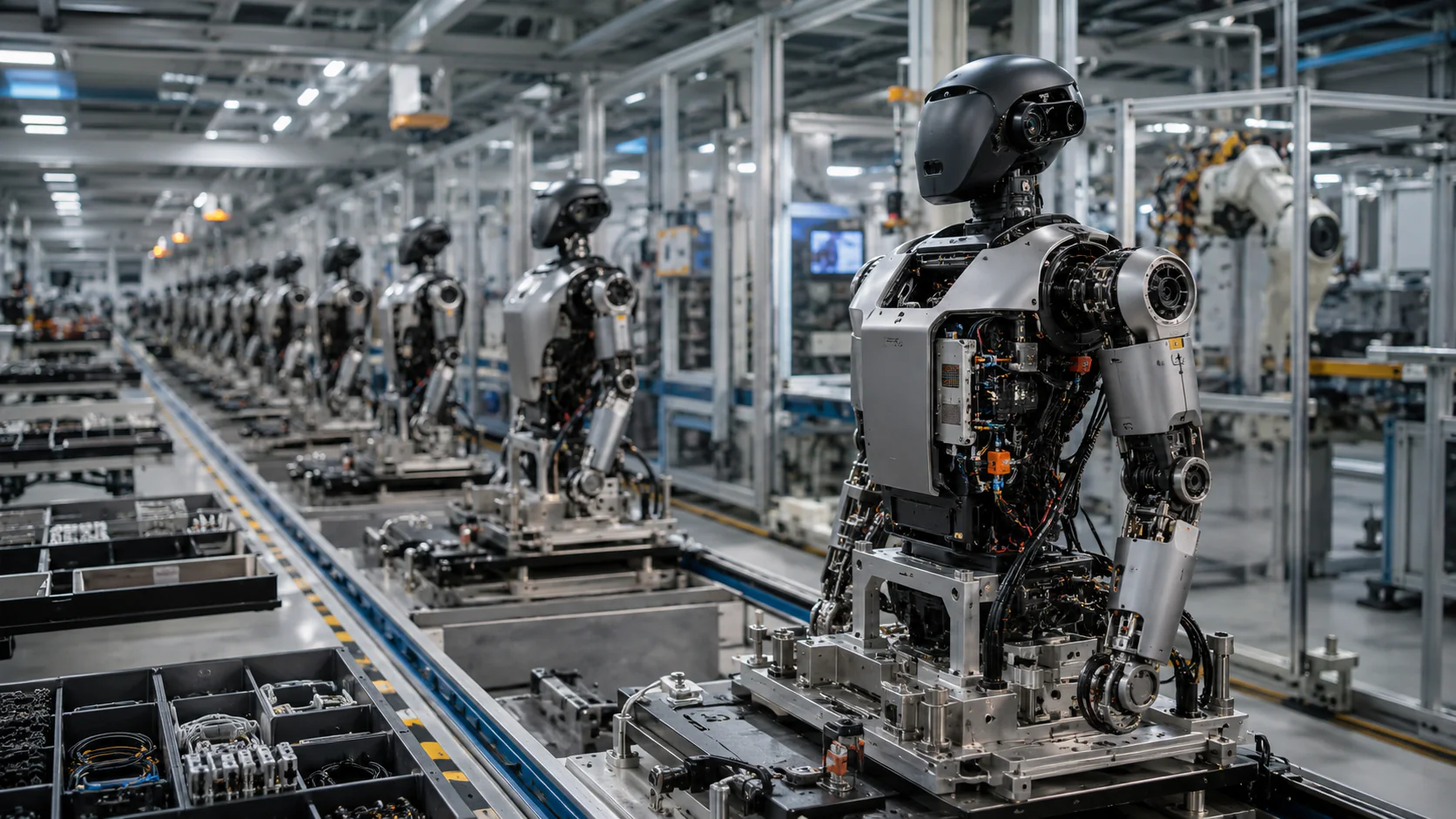
Đằng sau hầu hết mọi buổi demo thu hút tiêu đề trong ngành AI Vật Lý đều ẩn chứa cùng một sự thật: máy là một nguyên mẫu, và nguyên mẫu không phải là sản phẩm. Việc xây dựng một robot hoạt động là một kỳ công kỹ thuật. Việc xây dựng robot thứ ngàn, với chi phí mà ai đó sẽ trả, mà không có đội ngũ chuyên gia sẵn sàng chăm sóc khi có sự cố, là một thách thức hoàn toàn khác, và đây là điều mà ngành công nghiệp mới chỉ bắt đầu đối mặt.
Khoảng cách giữa việc trình diễn trí thông minh và sản xuất nó ở quy mô lớnđang dần trở thành chiến trường thực sự của cuộc đua AI vật lý. Và nó ngày càng giống một bài toán công nghiệp hơn là bài toán AI.
Từ Sản Phẩm Đơn Lẻ Đến Dây Chuyền Lắp Ráp
Bất kỳ ai từng đưa một sản phẩm phần cứng từ nguyên mẫu sang sản xuất đều biết rằng làm ra đơn vị đầu tiên là phần dễ.
Một robot nguyên mẫu có thể chạy bằng một bộ truyền động tùy chỉnh được gia công thủ công, một cảm biến được mua từ nhà cung cấp boutique với thời gian giao hàng hai tháng, hoặc một gói pin được lắp ráp bởi cùng những kỹ sư đã thiết kế nó. Tất cả những điều này không quan trọng khi chỉ có một đơn vị. Khi quy mô lên tới mười ngàn, mọi thứ trở thành một rủi ro nghiêm trọng.
Nhà cung cấp phải được xác nhận, thường là hai lần, để một vụ cháy nhà máy hay chậm giao hàng không làm dừng sản xuất. Các linh kiện được thiết kế để đạt hiệu năng tối đa trong phòng thí nghiệm thường cần được tái thiết kế để đáp ứng độ chịu lỗi, độ bền và trên hết là chi phí. Quy trình lắp ráp đã hoạt động với một nhóm nhỏ các tiến sĩ tự tay khắc phục sự cố phải được đơn giản hoá đủ để một kỹ thuật viên trên dây chuyền sản xuất có thể thực hiện trong vài phút, không phải vài ngày.
Công việc này được gọi là thiết kế để thuận tiện cho sản xuất. Nó chậm và tẻ nhạt, nhưng ngày càng trở thành nơi diễn ra cuộc chiến kỹ thuật trong AI vật lý — cuộc chiến mà nhiều công ty robot giỏi về kỹ thuật và được tài trợ dồi dào đã thất bại.
Các Buổi Demo Ấn Tượng Không Đem Lại Thị Trường
Sau một thập kỷ các chu kỳ công nghệ do phần mềm dẫn dắt, người ta dễ mặc định rằng ai tạo ra mô hình thông minh nhất hoặc robot giống người nhất sẽ thắng. Trực giác đó nhìn chung đã giúp ích cho nhà đầu tư AI. Với AI vật lý, nó có thể dẫn họ đi sai hướng.
Doanh nghiệp phần cứng không thắng trong ngày demo mà thắng trong những năm sau đó, dựa vào kinh tế đơn vị, độ bền của chuỗi cung ứng, và khả năng duy trì hàng ngàn máy hoạt động trên thực địa mà không cần một đội quân nhỏ các kỹ sư luôn sẵn sàng.
Năng lượng mặt trời cung cấp một tiền lệ hữu ích. Những tấm pin cuối cùng chiếm ưu thế trên thị trường không nhất thiết là những tấm hiệu suất cao nhất trong phòng thí nghiệm; chúng là những tấm mà các công ty có thể sản xuất một cách đáng tin cậy, với chi phí giảm dần, và với khối lượng ngày càng tăng. Xe điện đã theo một vòng cung tương tự, nơi chuỗi cung ứng pin và năng suất sản xuất quan trọng không kém bất kỳ đột phá kỹ thuật đơn lẻ nào. AI Vật Lý, với các robot được lắp ráp từ hàng chục hoặc hàng trăm linh kiện, mỗi linh kiện là một điểm tiềm ẩn gây lỗi, có thể sẽ ít khoan hồng hơn. Một công ty cung cấp một robot chỉ “tốt” nhưng được hỗ trợ bởi các nhà cung cấp đáng tin cậy và đường cong chi phí luôn giảm qua mỗi quý có khả năng vượt trội hơn so với đối thủ có robot lộng lẫy nhưng chỉ có thể sản xuất hàng chục chiếc một lần.
AI Có Thể Tăng Tốc Kỹ Thuật, Không Phải Vật Lý
Liệu chính AI có thu hẹp khoảng cách này không? Ở một mức độ nào đó, có. Các công cụ thiết kế tạo sinh đã bắt đầu khám phá những hình dạng linh kiện mà kỹ sư con người sẽ không nghĩ tới. Simulation, được tăng tốc nhờ học máy, đang rút ngắn các chu kỳ thử nghiệm vốn kéo dài hàng tháng. Mô hình dự báo có thể chỉ ra nhà cung cấp hoặc vật liệu nào dễ gây vấn đề về tỷ lệ sản phẩm đạt chuẩn trước khi gia công dù chỉ một chi tiết.
Những công cụ này thực sự giúp tăng tốc; các công ty sử dụng tốt chúng trong kỹ thuật và tìm nguồn cung sẽ tiến nhanh hơn những công ty không làm được điều đó.
Tuy nhiên, khả năng rút ngắn thời gian có giới hạn cứng, vì thế giới vật lý không lặp và cải tiến như phần mềm. Một hợp kim mới vẫn phải vượt qua thử nghiệm mỏi với hàng nghìn chu kỳ. Dây chuyền nhà máy vẫn cần được trang bị, đưa vào vận hành và trải qua quá trình học hỏi nhiều trục trặc trước khi tỷ lệ sản phẩm đạt chuẩn ổn định. Không mô phỏng nào rút ngắn được những tháng cần để thẩm định vật liệu mới hay những quý cần để dây chuyền mới đạt tốc độ mong muốn. Công ty xây dựng lộ trình dựa trên giả định rằng thời gian phát triển phần cứng sẽ co lại như phần mềm đang tự đặt mình trước một bất ngờ khó chịu và rất công khai.
Các Điểm Tắc Nghẽn Bị Bỏ Qua
Nếu có một bài học từ các chu kỳ phần cứng trước đây, thì đó là những linh kiện ít được chú ý nhất thường gây chậm trễ nhiều nhất.
Trong AI vật lý, điều đó có thể bắt đầu từ bộ chấp hành — các động cơ và cơ cấu cung cấp mô-men xoắn cùng độ chính xác để robot thực hiện công việc vật lý. Chúng vẫn khan hiếm, đến từ một nhóm nhỏ nhà sản xuất đạt chuẩn, và việc tạo thêm công suất mất nhiều năm chứ không phải vài quý.
Tiếp đến là cảm nhận. Camera, cảm biến lực và hệ thống cảm nhận trạng thái cơ thể giúp máy nhận biết môi trường vẫn đắt đỏ và chưa hoàn thiện so với yêu cầu triển khai dày đặc trong thực tế.
Vấn đề còn nằm ở chính hoạt động sản xuất. Ngành này phụ thuộc nhiều vào một số khu vực và nhà cung cấp tập trung. Cấu trúc đó ngày càng bị xem là điểm yếu chiến lược, thúc đẩy doanh nghiệp xây dựng mạng lưới sản xuất phân tán hơn và có dự phòng, ngay cả khi phải hy sinh một phần hiệu quả.
Cuối cùng là năng lượng: pin, điện tử công suất và hạ tầng sạc phải mở rộng cùng các đội máy chạy liên tục trong kho, nhà ở và công trường. Không nhóm nào trong số này sẽ trở thành điểm nhấn của một bài diễn thuyết ra mắt. Nhưng tất cả có thể quyết định ai thực sự giao được sản phẩm.
Nhìn Nhận Trước Một Cuộc Đối Mặt Lớn Hơn
Sự bùng nổ AI vật lý thực chất đang kiểm nghiệm một giả định mà ngành công nghệ đã quen tin tưởng: trí thông minh, một khi được tạo ra, có thể mở rộng dễ dàng. Giả định đó phần lớn đúng với phần mềm. Nó không đúng với nhà máy.
Năng lực tính toán có thể tăng gấp đôi chỉ sau một đêm. Mô hình có thể cải thiện sau một đợt huấn luyện mới. Việc triển khai có thể diễn ra chỉ bằng một nút bấm. Chuỗi cung ứng không thể tăng gấp đôi sau một đêm. Phải mất nhiều năm để có kỹ thuật viên lành nghề, nhà cung cấp đạt chuẩn và dây chuyền sản xuất hoàn thiện; không bước nhảy nào về năng lực mô hình rút ngắn được thời gian đó.
Những điều này không có nghĩa AI vật lý bị thổi phồng hoặc công nghệ nền tảng không có thật. Chúng có nghĩa trọng tâm đang chuyển từ trí tuệ nhân tạo sang hạ tầng vật lý. Những công ty và nhà đầu tư sớm hiểu sự chuyển dịch này, dành nguồn lực thực sự cho manufacturing capacity và khả năng chống chịu của chuỗi cung ứng thay vì màn trình diễn hào nhoáng tiếp theo, có khả năng vẫn đứng vững khi làn sóng video lan truyền hiện nay nhường chỗ cho công việc chậm hơn và khó hơn: triển khai thực sự những cỗ máy này ở quy mô lớn.



