
Thought leaders
De Grootste Uitdaging voor Physical AI Is Mogelijk Fysiek, Niet Kunstmatig

 Voeg Unite.AI toe aan je voorkeursbronnen op Google
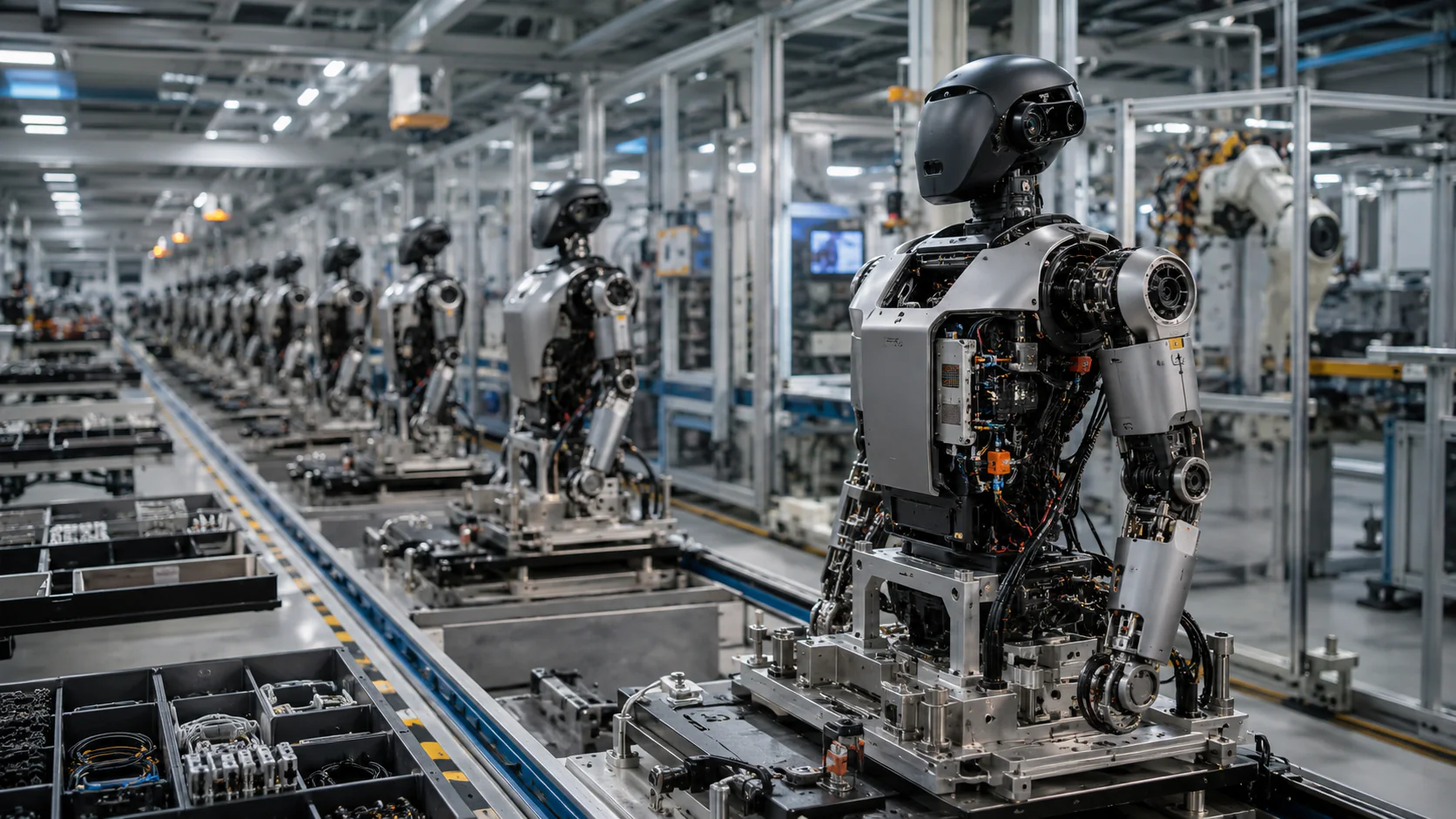
Achter bijna elke headline‑grijpende demo in de Physical AI industry zit dezelfde waarheid: de machine is een prototype, en prototypes zijn geen producten. Het bouwen van één werkende robot is een technische prestatie. Het bouwen van de duizendste, tegen een prijs die iemand wil betalen, zonder een team van specialisten dat klaarstaat om hem bij een storing te verzorgen, is een heel andere uitdaging, en het is een uitdaging waar de industrie pas net begint mee te worstelen.
Van Eenmalig naar Productielijn
Iedereen die een hardwareproduct van prototype naar productie heeft gebracht, weet dat het eerste exemplaar het eenvoudige deel is.
Een prototype‑robot kan draaien op een op maat gemaakte actuator die met de hand is bewerkt, een sensor die wordt ingekocht bij een boutique‑leverancier met een levertijd van twee maanden, of een batterijpakketsamenstelling door dezelfde ingenieurs die het ontwerp hebben gemaakt. Geen van deze zaken telt wanneer er slechts één eenheid bestaat. Alles wordt een serieuze last bij een schaal van tienduizend.
Leveranciers moeten gekwalificeerd worden, en meestal twee keer, zodat een enkele fabrieksbrand of vertraging in de verzending de productie niet stillegt. Componenten die voor piekprestaties in een laboratorium zijn ontworpen, moeten vaak opnieuw worden ontworpen voor toleranties, duurzaamheid en vooral kosten. Montageprocessen die werkten met een klein team van PhD‑s die handmatig problemen oplosten, moeten zo vereenvoudigd worden dat een technicus op een productielijn het werk in minuten kan uitvoeren, niet in dagen.
Dit werk heet ontwerpen voor maakbaarheid. Het is traag en moeizaam. Hier wordt de technische strijd in fysieke AI steeds vaker uitgevochten, en veel goed gefinancierde, technisch briljante roboticabedrijven hebben die strijd verloren.
Indrukwekkende Demo’s Winnen Geen Markten
Na tien jaar door software gedreven technologiecycli bestaat de natuurlijke neiging om aan te nemen dat degene met het slimste model of de meest menselijke robot zal winnen. Die intuïtie heeft investeerders in AI doorgaans goed gediend. Bij fysieke AI zal ze hen waarschijnlijk misleiden.
Hardwarebedrijven winnen niet op de dag van de demo, maar in de jaren daarna: op de rendabiliteit per eenheid, de weerbaarheid van de toeleveringsketen en het vermogen om duizenden machines in het veld te laten draaien zonder een klein leger ingenieurs dat voortdurend beschikbaar moet zijn.
Zonne-energie biedt een nuttig precedent. De panelen die uiteindelijk de markt domineerden, waren niet noodzakelijk de efficiëntste in het laboratorium. Het waren de panelen die bedrijven betrouwbaar konden produceren, tegen dalende kosten en in groeiende volumes. Elektrische voertuigen volgden een vergelijkbaar pad, waarbij batterijtoeleveringsketens en productieopbrengst net zo belangrijk waren als een afzonderlijke technische doorbraak. Fysieke AI, met robots uit tientallen of honderden componenten die elk kunnen falen, kan nog minder vergevingsgezind blijken. Een bedrijf met een slechts goede robot, betrouwbare leveranciers en kosten die elk kwartaal dalen, zal waarschijnlijk winnen van een rivaal met een schitterende robot waarvan er maar een dozijn tegelijk kan worden gemaakt.
AI Kan Het Ontwerp Versnellen, Niet De Fysica
Zal AI zelf deze kloof niet dichten? Tot op zekere hoogte wel. Generatieve ontwerptools onderzoeken nu al componentvormen die geen menselijke ingenieur zou bedenken. Simulation, versneld door machine learning, verkort testcycli die ooit maanden duurden. Voorspellende modellen kunnen aangeven welke leveranciers of materialen waarschijnlijk problemen met de productieopbrengst veroorzaken voordat ook maar één onderdeel wordt bewerkt.
Deze tools versnellen het werk daadwerkelijk. Bedrijven die ze goed inzetten bij engineering en inkoop zullen sneller gaan dan bedrijven die dat niet doen.
Er zit echter een harde grens aan hoeveel dit de doorlooptijd verkort, omdat de fysieke wereld niet itereert zoals software. Een nieuwe legering moet nog steeds vermoeiingstests van duizenden cycli doorstaan. Een productielijn moet worden uitgerust, in bedrijf gesteld en door een eigen moeizame leercurve heen voordat de opbrengst stabiel wordt. Geen simulatie verkort de maanden die nodig zijn om een nieuw materiaal te kwalificeren of de kwartalen om een nieuwe productielijn op snelheid te krijgen. Elk bedrijf dat zijn planning baseert op de aanname dat hardwaredoorlooptijden net zo zullen instorten als die van software, bereidt zich voor op een onaangename en zeer openbare verrassing.
De Over het Hoofd Gezien Knelpunten
Als eerdere hardwarecycli één les bieden, is het dat de componenten die de minste aandacht krijgen vaak de meeste vertraging veroorzaken.
Bij fysieke AI begint dat waarschijnlijk bij actuatoren: de motoren en mechanismen die een robot het koppel en de precisie geven om daadwerkelijk fysiek werk te doen. Ze blijven schaars en komen van een kleine groep gekwalificeerde fabrikanten. Nieuwe capaciteit opzetten kost jaren, geen kwartalen.
Het gaat verder met waarneming. De camera’s, krachtsensoren en proprioceptieve systemen waarmee een machine haar omgeving waarneemt, zijn nog duur en onvolwassen vergeleken met wat grootschalige inzet in de praktijk zal vereisen.
Het strekt zich uit tot de productie zelf. De sector leunt sterk op een geconcentreerde groep regio’s en leveranciers. Die structuur wordt steeds meer als een strategische zwakte gezien en stuurt bedrijven naar meer verspreide productielocaties met reservecapaciteit, zelfs als dat enige efficiëntie kost.
En het eindigt bij energie: de accu’s, vermogenselektronica en laadinfrastructuur die moeten meegroeien met vloten machines die continu in magazijnen, woningen en op werkterreinen draaien. Geen van deze categorieën zal de hoofdrol spelen in een keynote. Ze zullen waarschijnlijk allemaal bepalen wie daadwerkelijk kan leveren.
Een Vooruitblik op een Grotere Afrekening
De opmars van fysieke AI is in feite een praktijktest van een aanname waarmee de technologiesector vertrouwd is geraakt: dat intelligentie, zodra ze is gebouwd, onbeperkt kan opschalen. Die aanname gaat grotendeels op voor software. Voor fabrieken niet.
Rekencapaciteit kan van de ene op de andere dag verdubbelen. Modellen kunnen verbeteren met een nieuwe trainingsronde. Implementatie kan met één druk op de knop. Toeleveringsketens kunnen niet van de ene op de andere dag verdubbelen. Het opleiden van vakbekwame technici, kwalificeren van leveranciers en opbouwen van volwassen productielijnen duurt jaren. Geen sprong in modelcapaciteiten verkort die termijn.
Dit betekent niet dat fysieke AI overhyped is of dat de onderliggende technologie niet echt is. Het betekent dat het zwaartepunt verschuift van kunstmatige intelligentie naar fysieke infrastructuur. De bedrijven en hun investeerders die deze verschuiving vroeg begrijpen en serieuze middelen steken in manufacturing capacity en weerbare toeleveringsketens, in plaats van de volgende flitsende demo, zijn degenen die waarschijnlijk nog overeind staan wanneer de huidige golf virale video’s plaatsmaakt voor het tragere en moeilijkere werk om deze machines werkelijk op grote schaal in te zetten.
Bronnen uit het oorspronkelijke artikel: unite.ai [1]



